- Home-
- Products-
- All Products
- --------------
- Mobile Steps
- Roll Pallets & Roll Cages
- Stillages & Pallet Cages
- Warehouse Platform Trolleys
- Pallet Converters & Pallet Retention
- Folding Wire Pallet Cages
- Container Ramps
- Plastic Pallet Boxes
- Aluminium & Glassfibre Ladders
- Tipping Skips
- Shopping Trolleys
- Plastic Trucks Skips & Bins
- Hanging Garment Rails
- Chute Front Stillages
- Garden Centre Trolleys
- Load Restraint Range
- Post Pallets
- Pallets
- Plastic Tote Boxes
- Sack Trucks
- Forklift Safety Access Cages
- Gas Bottle Storage & Cylinder Handling
- Spill Containment, Sump Pallets & Flooring, Storage of Hazardous Products
- Bulk Bag Holders and Handling
- Castors & Wheels
- SecondHand
- CustomManufacture
- Rental-
- AboutUs
- Blog-

Featured Products
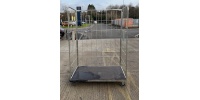
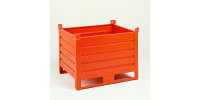
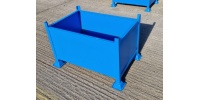
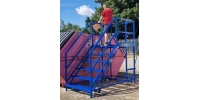
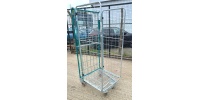
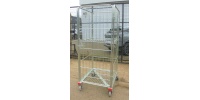
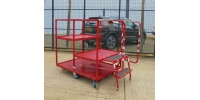
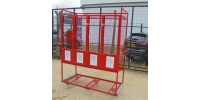
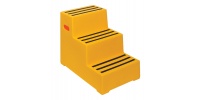
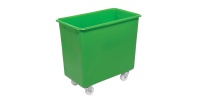
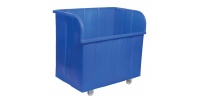
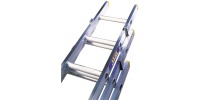
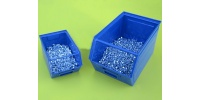
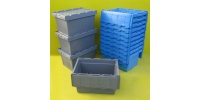
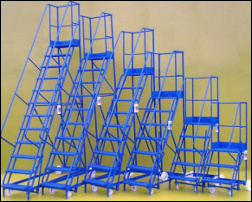
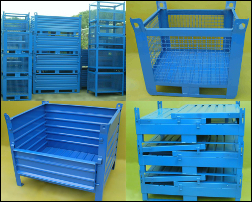
What we do
We Manufacture Mobile Steps, Storage and Handling Equipment
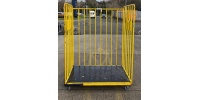
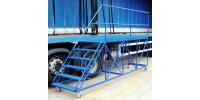
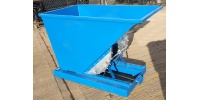
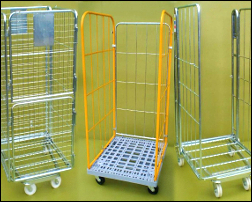
From our manufacturing plant in Kettering we specialise in the design, development and manufacture of all types of Roll Pallets & Roll Cages, Warehouse Mobile Safety Steps and Stillages & Cage Pallets as well as a vast array of Post Pallets, Plastic Pallet Boxes, Mobile Plastic Bins, Warehouse Trolleys and Load Retention equipment. Visit our Shop to see our full range.
As a manufacturer, we carry stock of many storage and handling products, but if our standard products do not suit your particular application, we can build a Custom and Bespoke product to match your exact needs, whether it’s an access step, stacking stillage, special sized roll cage or post pallet etc. Just Contact Us. Our engineers will discuss your requirements and evaluate your working environment before modifying an existing product or creating a new one from scratch.
We Have European Partner Factories
As well as our in house design and manufacturing capabilities we have built up good relationships with several European partner factories who provide high quality products to enhance and extend our range.
As a family owned business, our experience of producing trolleys and steps, spanning 2 generations over 35 years, leaves us well placed to identify factories across Europe who have the right capabilities, quality standards and realistic prices. We source specific products from these partners which significantly strengthens our range.
We Buy and Sell Second Hand Equipment
At Steps and Stillages we buy & sell a large range of second hand products including Used Mobile Steps, Used Stillages and Used Roll Pallets and Roll Cages. All our second hand equipment is checked, and repaired where necessary, and is sold in good serviceable condition. Just take a look in our online Shop to see our full range which is constantly updated, so check frequently, or subscribe to our Twitter feed for instant updates on our new stock!
We also buy used equipment, so if you have any redundant roll pallets or stillages etc you don’t need any more, Call us!
Rental and Roll Cage Repair Services
Our Rental solutions include both Short Term Spot Hire and Longer Term Contract Hire options for the hire of Steps, Stillages and Roll Cages and Roll Pallets. Let us know what your requirement is, over what time scale and we can give you a quote.
Our Repair service allows you to gain optimum efficiency and maximum life from your roll cage fleet or other distribution equipment. We can repair either in our factory, or our mobile repair service can come to you. We also offer a modification service if your roll cages or stillages need altering in some way.